%2Ffit-in%2F250x250%2Fguide_websites%2F179601%2Fimages%2F1781919073475logo.jpeg&w=1920&q=100)
Red Snapper & King Mackerel Fishing Charter in Panama City Beach
Offshore Fishing in Panama City Beach - Species & Success
%2F%2Fusers%2F2f9584b8-64f6-49be-956d-a02f77d928e8%2Fimages%2Fpanama-city-beach-mixed-species-2783.jpg&w=1920&q=75)
Fishing Charter by Captain Rob Robinette in June
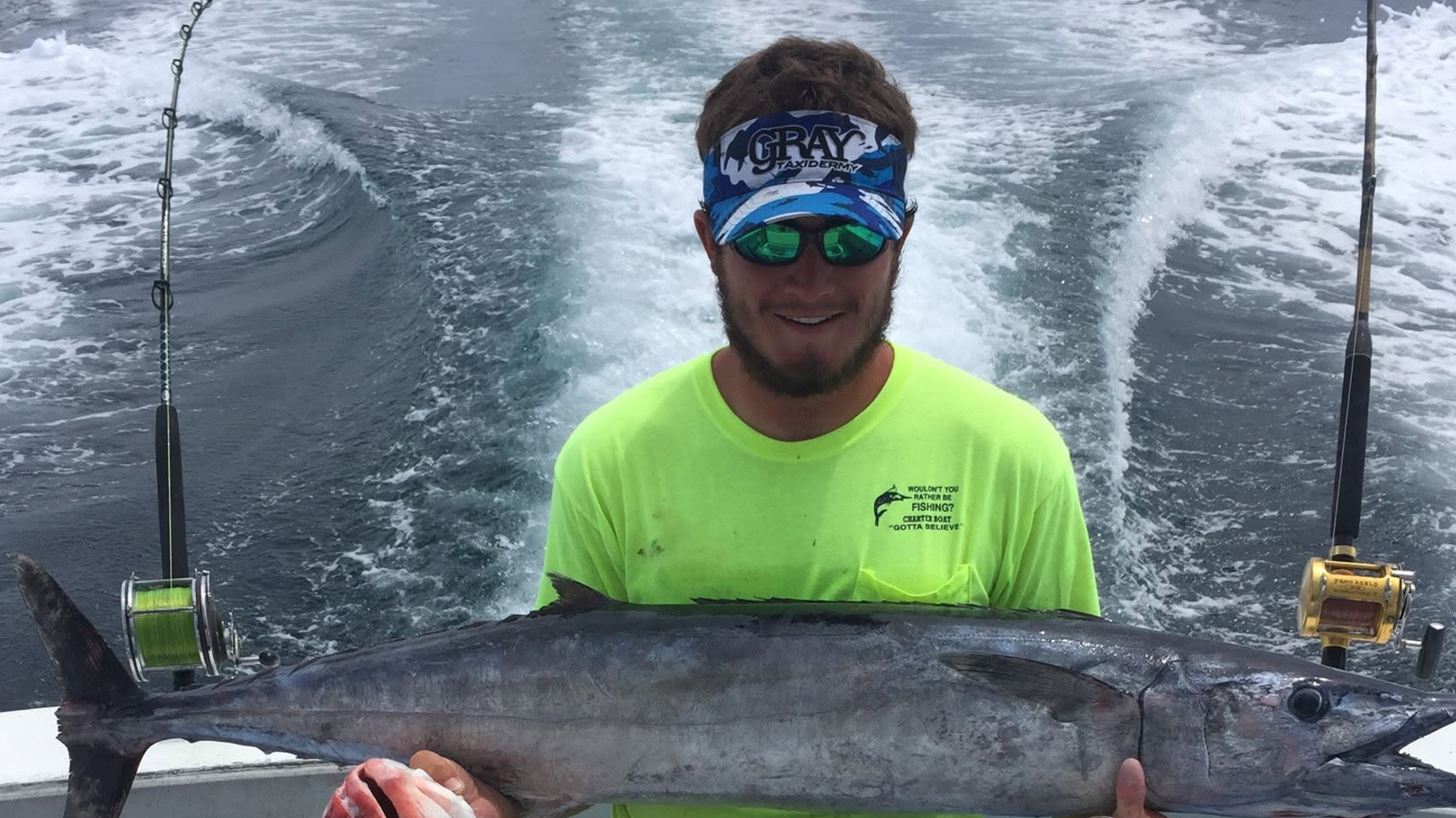
Meet your Captain Rob Robinette
- Panama City Beach Offshore Fishing Charters


Summary
Join a fishing charter in Panama City Beach on Saturday, June 20th to target red snapper, red grouper, gag grouper, and king mackerel in the Gulf of Mexico. Captain Rob Robinette of Gotta Believe Charters delivers an authentic offshore experience with expert local knowledge and proven catch success.
Fishing Charter with Captain Rob Robinette - Rates & Booking
Captain Rob Robinette of Gotta Believe Charters operates out of Panama City Beach on Saturday, June 20th, offering offshore fishing adventures that target the Gulf's most sought-after species. This fishing charter combines expert navigation, proven techniques, and local Gulf knowledge to deliver consistent results on red snapper, red grouper, gag grouper, and king mackerel.
The experience provides everything you need for a successful day on the water. Captain Rob's deep familiarity with Panama City Beach's offshore environment means you'll fish productive grounds where these species thrive. Whether you're an experienced angler or new to offshore fishing, the charter is structured to maximize your chances and create lasting memories. Contact Gotta Believe Charters directly to reserve your spot and confirm rates, inclusions, and specific trip details for your group.
Highlights of This Offshore Experience
The Gulf of Mexico near Panama City Beach produces exceptional fishing across multiple species. Red snapper favor deep structures and reef areas, delivering strong fights and excellent table fare. Red grouper and gag grouper hunt around ledges and hard bottom, where they strike hard and test your skills. King mackerel roam the open water and shallower reefs, providing explosive topwater action and aerial displays.
What sets this charter apart is the combination of diverse species opportunities and Captain Rob's ability to read conditions and locate productive water. The day unfolds with the rhythm of offshore fishing - the search, the strike, the battle, and finally, the dock presentation of your catch. Each species offers distinct challenges and rewards, making for a dynamic, engaging experience throughout the tide cycles.
Local Species Insights: Red Snapper, Grouper & King Mackerel
Red snapper thrive in the Gulf's deeper offshore zones, where they congregate around structure in 40 to 100 feet of water. These robust fish are aggressive feeders with a keen sense of smell, making them responsive to live and cut bait presentations. Their deep-red coloring and powerful build make them instantly recognizable both in the water and on the dock. Red snapper fishing requires precision - getting your bait to the bottom quickly and maintaining control in strong currents.
Red grouper and gag grouper occupy similar habitat but behave differently. Red grouper tend to hold tight to structure, requiring vertical presentations and quick hooksets. Gag grouper are often more aggressive, willing to chase baits and lures through the water column. Both species can reach impressive sizes, and their strength and determination make them rewarding catches. The Gulf's reef and ledge systems provide ideal homes for these fish, with complex structure that demands skilled boat positioning and precise casting.
King mackerel are the pelagic hunters of this region, patrolling open water and reef edges in search of baitfish. Their silver bodies and powerful jaws are built for speed and predatory efficiency. Mackerel respond to both live bait and artificial lures, often striking with explosive force. They're known for their runs, head shakes, and aerial jumps - providing some of the most thrilling moments in offshore fishing. The Gulf's clear waters and consistent baitfish populations support healthy mackerel populations year-round.
Panama City Beach's location places you directly over some of the Gulf's most productive fishing grounds. The offshore structure - reefs, ledges, and natural hard bottom - concentrates fish and creates dynamic fishing opportunities. Seasonal conditions, current patterns, and baitfish movements all play into the day's success. Captain Rob's understanding of these factors, combined with his boat handling and fishing expertise, puts you in position to experience authentic Gulf fishing at its best.
Fishing in Panama City Beach: King Mackerel, Red Snapper and Red Grouper
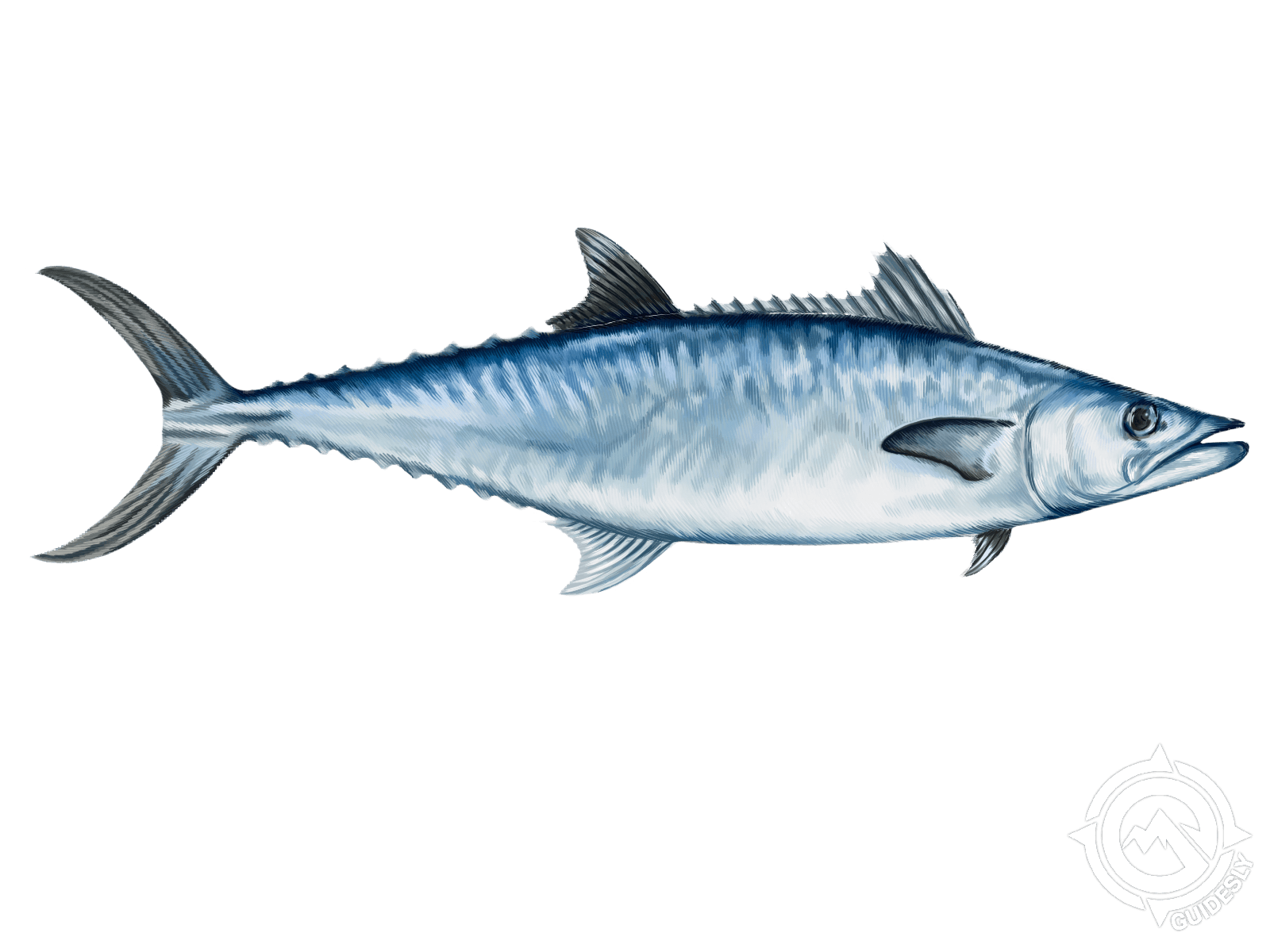
King Mackerel Overview
The King Mackerel (Scomberomorus cavalla) is a prized saltwater gamefish belonging to the family Scombridae and order Perciformes. Also known as Kingfish or Spanish Mackerel, this migratory powerhouse is famous among anglers for its lightning-fast runs and aggressive strikes. What makes the King Mackerel instantly recognizable are its small, loosely attached scales covering an olive-green back that contrasts beautifully with a silvery-white belly and shimmering, rosy iridescent sides. Younger specimens sometimes display brownish or yellowish spots on their flanks. Native to subtropical waters, King Mackerel are found throughout the Atlantic Coast and Gulf of Mexico, with particularly strong populations near North Carolina and Brazil. If you've ever chased a silver bullet through the water off the coast, chances are you've tangled with one of these magnificent fish.
King Mackerel Habitat and Distribution
King Mackerel are subtropical specialists that thrive in warm Atlantic and Gulf waters, ranging from the Gulf of Maine down through North Carolina, the entire Gulf of Mexico, and extending to Brazil—especially around Rio de Janeiro where they're incredibly abundant. These fish are also found in the Bay of Bengal and throughout the Indian Ocean and Arabian Sea. They prefer depths between 40 and 150 feet during normal conditions, though larger specimens often venture inshore to harbors and inlet waters as deep as 590 feet. Water temperature is crucial to their distribution; they're most active and concentrated in waters ranging from 68 to 84°F. Understanding these depth and temperature preferences is essential for anyone planning a King Mackerel fishing adventure along the Atlantic coast.
King Mackerel Size and Weight
King Mackerel are considered medium-sized fish, with a typical size range of 19 to 72 inches in length. Most caught specimens weigh between 10 and 20 pounds, though specimens commonly reach 30 pounds, and trophy-sized individuals have exceeded 90 pounds. An interesting biological detail: females significantly outweigh males at the same age. For example, a seven-year-old female King Mackerel might tip the scales at 22 pounds, while a male of identical age weighs only about 11 pounds. This sexual dimorphism in growth rates makes trophy hunting for larger specimens a realistic goal for dedicated anglers in coastal regions from North Carolina to Texas.
King Mackerel Diet and Behavior
As an opportunistic carnivore with an almost legendary voracious appetite, the King Mackerel is an aggressive hunter that feeds on a varied menu depending on seasonal availability. Their diet includes Blue Runner, Northern Mackerel, Striped Anchovy, Weakfish, Cutlassfish, Jack, Menhaden, and squid. What makes these fish particularly thrilling for anglers is their explosive feeding behavior—they're known to strike with extreme aggression and make blistering runs that can strip line from even well-spooled reels. Their teeth are notably similar to those of Bluefish, making them formidable predators capable of inflicting serious damage to bait and lures alike. King Mackerel behavior varies seasonally with water temperature and bait availability; they're most active when waters warm and migratory baitfish move through their territories. Their speed is legendary and matched only by the Wahoo, their distant relative, making them one of the most exciting gamefish to pursue.
King Mackerel Spawning and Seasonal Activity
King Mackerel are broadcast spawners, releasing sperm and eggs into the water column where fertilization occurs by chance. One of the most remarkable aspects of their reproductive biology is the incredibly short incubation period—fertilized eggs hatch in less than a day! This rapid development strategy allows populations to capitalize on favorable feeding conditions. Their migratory patterns are closely tied to water temperature; as coastal waters warm in spring and early summer, King Mackerel move northward and into shallower waters, creating peak fishing opportunities. As fall arrives and water temperatures drop, they migrate southward to warmer Gulf waters and deeper offshore zones. Understanding these seasonal movements is critical for planning successful fishing trips, whether you're targeting them off North Carolina in summer or pursuing Gulf populations in winter.
King Mackerel Techniques for Observation and Capture
Trolling with Large Lures: The most effective method for King Mackerel involves trolling at speeds between 8 and 12 knots using large planers, heavy tackle rated for 30- to 50-pound test, and vibrant artificial lures in silver, chartreuse, or blue patterns. Trolling depths of 40 to 150 feet are ideal in most locations. Around North Carolina's Outer Banks, summer trolling from June through August produces consistent strikes as migratory populations move through these rich fishing grounds.
Live Bait Rigging: If live bait is your preference, use a strong metal leader and tie two hooks to maximize your chances. Attach the first hook (single or treble) through the live bait's mouth and nose, then place a second treble hook through the back or allow it to dangle freely. This rigging strategy accounts for King Mackerel's tendency to bite at the rear section of baitfish first. Live mullet, mackerel, and herring work exceptionally well and trigger aggressive strikes.
Jigging and Wreck Fishing: Vertical jigging over reefs, wrecks, and deep structure with metal jigs (2 to 4 ounces) is a highly productive approach, particularly in offshore zones. Drop your jig to structure, then employ aggressive jigging motions with rapid rod snaps. This method concentrates effort in high-probability zones and produces strikes from feeding fish holding in deeper water or around cover.
King Mackerel Culinary and Utilization Notes
King Mackerel has grayish flesh with relatively high fat content and was only marketed fresh commercially beginning in 2005. While the fish is edible, potential consumers should be aware that King Mackerel accumulates significant mercury levels—alongside Tilefish, Shark, and Swordfish—making it advisable for children and pregnant women to avoid or strictly limit consumption. For anglers who choose to keep their catch, the grayish meat is best prepared fresh and suited to grilling, baking, or smoking. The high oil content makes it forgiving to cook and provides good flavor when properly prepared. Many recreational anglers practice catch-and-release to preserve populations and avoid mercury exposure concerns while still enjoying the thrilling fight these powerful fish provide.
King Mackerel Frequently Asked Questions
Q: What is the best bait or lure for catching King Mackerel?
A: Live bait such as mullet, mackerel, and herring work exceptionally well when rigged on metal leaders with double hooks. For artificial lures, large spoons, plugs, and jigs in silver, chartreuse, or blue patterns fished on heavy 30- to 50-pound tackle produce consistent results. Trolling these artificials at 8 to 12 knots is the most popular method among experienced anglers.
Q: Where can I find King Mackerel near major coastal cities?
A: King Mackerel are abundant throughout the Atlantic Coast from Texas to North Carolina, with prime populations in the Gulf of Mexico and nearshore waters. Summer months bring them northward; the Outer Banks of North Carolina hosts excellent populations June through September. Gulf ports in Texas and Florida offer year-round opportunities, particularly in the deeper channels and offshore zones.
Q: How do I distinguish a King Mackerel from a Spanish Mackerel or Cero?
A: The key distinguishing feature is the lateral line pattern. On King Mackerel, the lateral line runs along the body but stops abruptly around mid-body. In contrast, Spanish Mackerel and Cero species have lateral lines that slope gradually downward from the gill cover all the way to the tail. Additionally, King Mackerel typically grow larger and have larger teeth relative to their cousins.
Q: Is King Mackerel good to eat?
A: King Mackerel has flavorful, oily flesh that takes well to grilling and smoking. However, be aware that this species accumulates mercury at concerning levels. The FDA recommends that children and pregnant women avoid consumption. For others, occasional consumption of fresh King Mackerel is generally considered acceptable, though catch-and-release is increasingly popular to preserve populations and avoid potential health concerns.
Q: When is the best time to catch King Mackerel?
A: The prime fishing season varies by location. Along the Atlantic, late spring through early fall (May through September) offers the most consistent action as water temperatures warm and fish move northward. In Gulf waters, December through March provides excellent opportunities as fish congregate in deeper, warmer zones. Early morning and late afternoon typically produce the most aggressive feeding.
Q: What tackle and equipment do I need for King Mackerel fishing?
A: Use heavy-duty saltwater rods rated for 30- to 50-pound test line paired with multiplier reels capable of holding 300+ yards of backing. A strong metal leader (60- to 100-pound test) is essential, as King Mackerel possess teeth similar to Bluefish and will bite through monofilament instantly. Incorporate quality ball bearings and swivels into your rigging to reduce line twist during trolling operations.
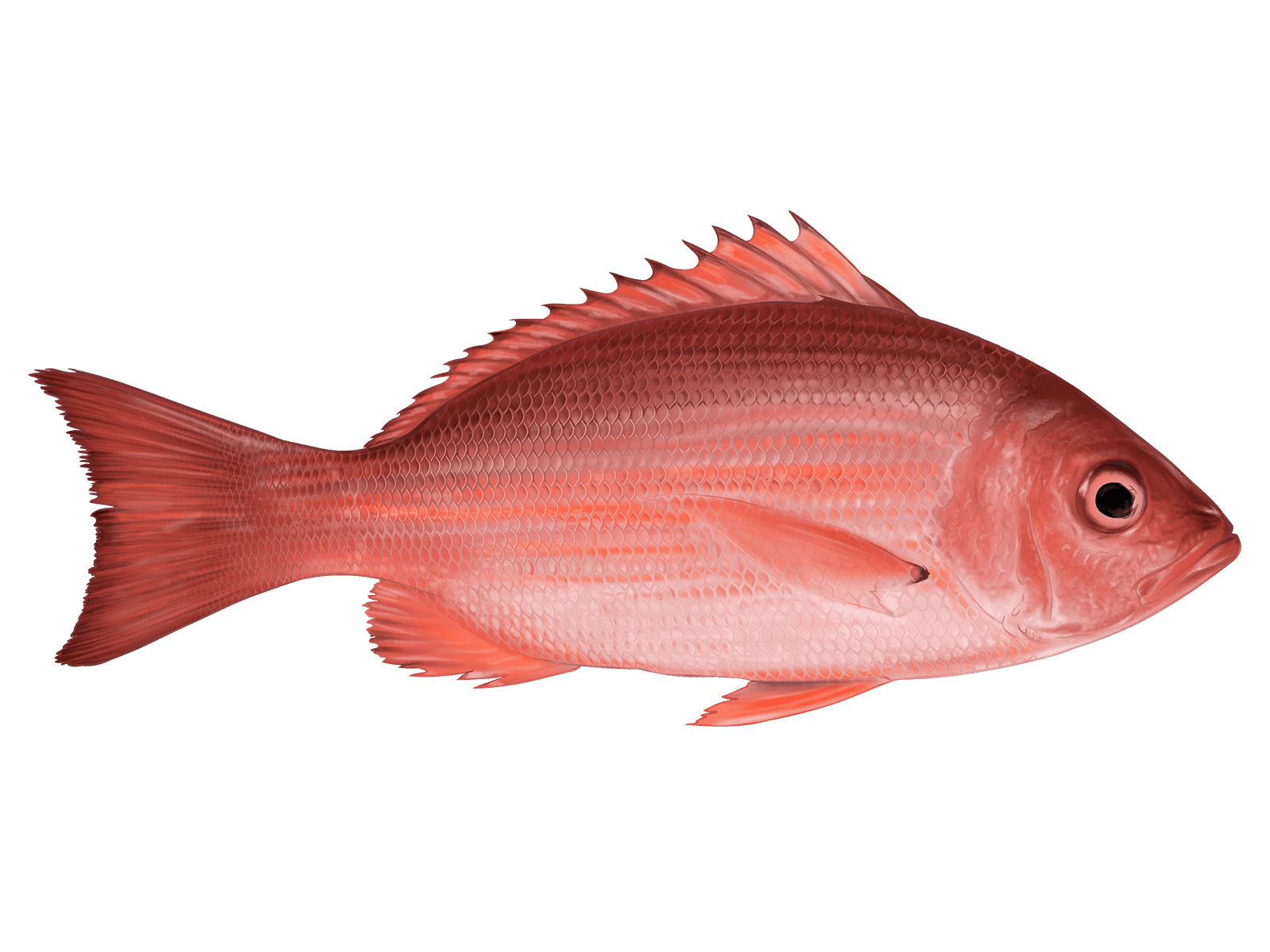
Gag Grouper Overview
The Gag Grouper (Mycteroperca Microlepis) is a member of the Serranidae family within the order Perciformes, representing one of the Atlantic's most sought-after yet cunningly elusive game fish. While some describe this species as appearing somewhat drab compared to its flashier cousins, seasoned anglers know better—the Gag Grouper's mottled grey coloration and powerful build make it a formidable adversary. What truly sets this fish apart is its remarkable biology: all Gag Groupers start life as females, with some transitioning to males as they mature, a phenomenon known as sequential hermaphroditism. This fascinating adaptation, combined with its preference for rocky hideaways and aggressive feeding behavior, makes the Gag Grouper a cornerstone species for coastal fishing communities from Florida to the Carolinas.
Gag Grouper Habitat and Distribution
Gag Groupers thrive in coastal and offshore waters where structure abounds. Young fish prefer staying inshore within shallow seabeds and shoals, using these nursery grounds to grow and develop until sexual maturity arrives around 5 to 6 years of age. Adult Gag Groupers migrate to deeper offshore territories, favoring rocky bottoms, natural reefs, shipwrecks, and dramatic drop-off walls where they can establish hunting grounds and find refuge from larger predators. The species shows a strong affinity for any rocky structure that provides shelter—from stone crab traps to artificial reefs. Throughout their range along the Atlantic coast, you'll find them accompanying other game fish species like Kingfish, Spanish Mackerel, Blacktip Sharks, and Spinner Sharks, often congregating where herring schools swarm near the beach during seasonal movements.
Gag Grouper Size and Weight
An average Gag Grouper typically measures around 24 inches in length, making for a respectable catch on most recreational tackle. However, these fish possess impressive growth potential when given time and favorable conditions. Specimens regularly reach 40 to 50 inches, with the maximum recorded length stretching to 57 inches and weighing as much as 50 pounds or more. Some exceptional individuals have been documented at 145 centimeters (57 inches) with weights reaching 36.5 kilograms (approximately 80 pounds). Given their slow growth rate—requiring 5 to 6 years just to reach sexual maturity—these larger specimens represent fish that may be 15 to 30 years old, underscoring the importance of selective harvest and catch-and-release practices to maintain healthy populations.
Gag Grouper Diet and Behavior
Gag Groupers are opportunistic carnivores with a well-developed hunting instinct and a strong preference for crustaceans, particularly crab and shrimp. Younger fish eagerly consume small crustaceans and baitfish as they encounter them in their shallow-water nurseries, while larger adults expand their diet to include a variety of fish species, squid, and octopus. Their feeding behavior is aggressive and decisive—once a Gag Grouper commits to striking prey, it employs a powerful suction feeding mechanism to engulf its meal before retreating to the safety of nearby rocky structures. These fish are most active during periods of reduced light and moderate current when their prey is also most active. They exhibit strong site fidelity, meaning individual fish often establish territories around particular reefs or structures and remain there for extended periods, making repeated visits to the same location an effective strategy for anglers.
Gag Grouper Spawning and Seasonal Activity
Gag Groupers exhibit seasonal reproductive behavior tied to water temperature and photoperiod changes. Spawning typically occurs during the warmer months, with peak activity in late spring through summer when coastal waters reach optimal temperatures. The species' unique sequential hermaphroditism means that as populations age and larger females transition to males, the breeding dynamics shift accordingly. Young Gag Groupers spend their early years (0 to 5-6 years) in shallow nursery habitats before recruiting to deeper offshore populations once they reach sexual maturity. Environmental stressors, particularly red tide events, can heavily suppress recruitment and survival of juveniles, causing population fluctuations that impact fishing success in subsequent years. Seasonal variations in current patterns, water clarity, and baitfish availability all influence Gag Grouper activity levels and catchability throughout the year.
Gag Grouper Techniques for Observation and Capture
Bottom Fishing with Live Bait: The most productive method for targeting Gag Groupers involves positioning your boat over rocky structure, reefs, or shipwrecks in 30 to 80 feet of water. Deploy live mullet or pinfish on a circle hook—Florida regulations require circle hooks for bottom fishing—rigged on 20 to 40-pound line with a standard rod and reel combo. Lower your bait to the bottom or suspend it slightly above structure where Gag Groupers patrol. When you feel the strike, set the hook firmly and maintain constant pressure; these fish will immediately attempt to dive back into rocky crevices. Keep your rod low and maintain a locked reel to prevent them from reaching the safety of their rocky fortresses. The key is assertiveness—hesitation allows them to wrap your line or bury themselves in structure.
Cut Bait and Alternative Presentations: When live bait is unavailable or impractical, cut bait produces excellent results. Squid, octopus, crab pieces, and mackerel chunks all attract hungry Gag Groupers. Present these offerings on the same circle-hook rigs, allowing them to sink to the bottom where groupers actively hunt. This method works especially well around stone crab traps and artificial reef structures where natural prey concentration is highest. Cigar Minnows, Pilchards, and Grunts also attract strikes when presented either live or as chum.
Localized Tip—Florida Gulf Coast: Around the Florida Gulf Coast, particularly near offshore structures and natural reefs from the Panhandle through Southwest Florida, Gag Grouper fishing peaks during spring and fall months. Fish early morning hours on incoming or slack tides, as these conditions concentrate baitfish and increase predator feeding activity. The Gag Grouper's aggressive nature means it often strikes hard and decisively; maintain unwavering pressure immediately upon hookset to prevent it from reaching shelter.
Gag Grouper Culinary and Utilization Notes
Gag Grouper is considered excellent table fare, prized for its firm, white flesh and mild, delicate flavor. The meat holds together well during cooking and suits virtually any preparation method—grilling, baking, pan-searing, or blackening all highlight its culinary appeal. A 40-pound Gag Grouper yields substantial fillets perfect for family meals or entertaining. Nutritionally, the flesh is lean and high in protein while offering beneficial omega-3 fatty acids. From a sustainability perspective, recreational anglers should practice selective harvest, retaining fish within legal size ranges while releasing oversized specimens and females (when sex can be visually determined) to maintain breeding stock and population stability. Check local regulations, as many regions implement slot limits, seasonal closures, or size restrictions specifically designed to protect Gag Grouper populations from overfishing.
Gag Grouper Frequently Asked Questions
Q: What is the best bait for catching Gag Grouper?
A: Live mullet and pinfish are the top choices, but Gag Groupers also respond exceptionally well to cut squid, octopus, live crabs, and mackerel. The key is using enough bait to create scent dispersal in the water column. Circle hooks are mandatory in many regions and improve hookup rates significantly.
Q: Where can I find Gag Grouper near Florida?
A: Gag Groupers are abundant throughout Florida's offshore and nearshore zones, particularly around natural reefs, shipwrecks, rocky outcrops, and artificial structures. The Gulf Coast from the Panhandle through Southwest Florida, as well as the Atlantic side off the central and southern coast, all hold healthy populations. Check with local charter services for current hotspots and seasonal patterns.
Q: Is Gag Grouper good to eat?
A: Absolutely. Gag Grouper ranks among the finest eating fish available to anglers, with tender, mild white flesh that works beautifully in any recipe. The firm texture holds up to various cooking methods, making it versatile for both simple preparations and elaborate dishes.
Q: When is the best time to catch Gag Grouper?
A: Spring through early fall offers peak fishing opportunities, with summer months typically producing the most consistent action. Fish early morning hours and during slack or incoming tides when baitfish and grouper feeding activity peak. Avoid red tide periods, as these events depress feeding behavior and water conditions.
Q: What equipment do I need to fish for Gag Grouper?
A: A standard medium to medium-heavy rod with 20 to 40-pound monofilament or braided line works well. Circle hooks are required in many regions. Use a sinker heavy enough to maintain bottom contact in current, and ensure your reel's drag is properly set to absorb the powerful runs these fish produce.
Q: Why are Gag Groupers harder to catch than other grouper species?
A: Gag Groupers possess an almost supernatural ability to wedge themselves into rock crevices and structure immediately upon hookset. Their instinct is to retreat to safety rather than power-run like many game fish. Success requires immediate, aggressive rod pressure and a willingness to muscle the fish away from cover—a technique that demands strength, technique, and the right equipment.
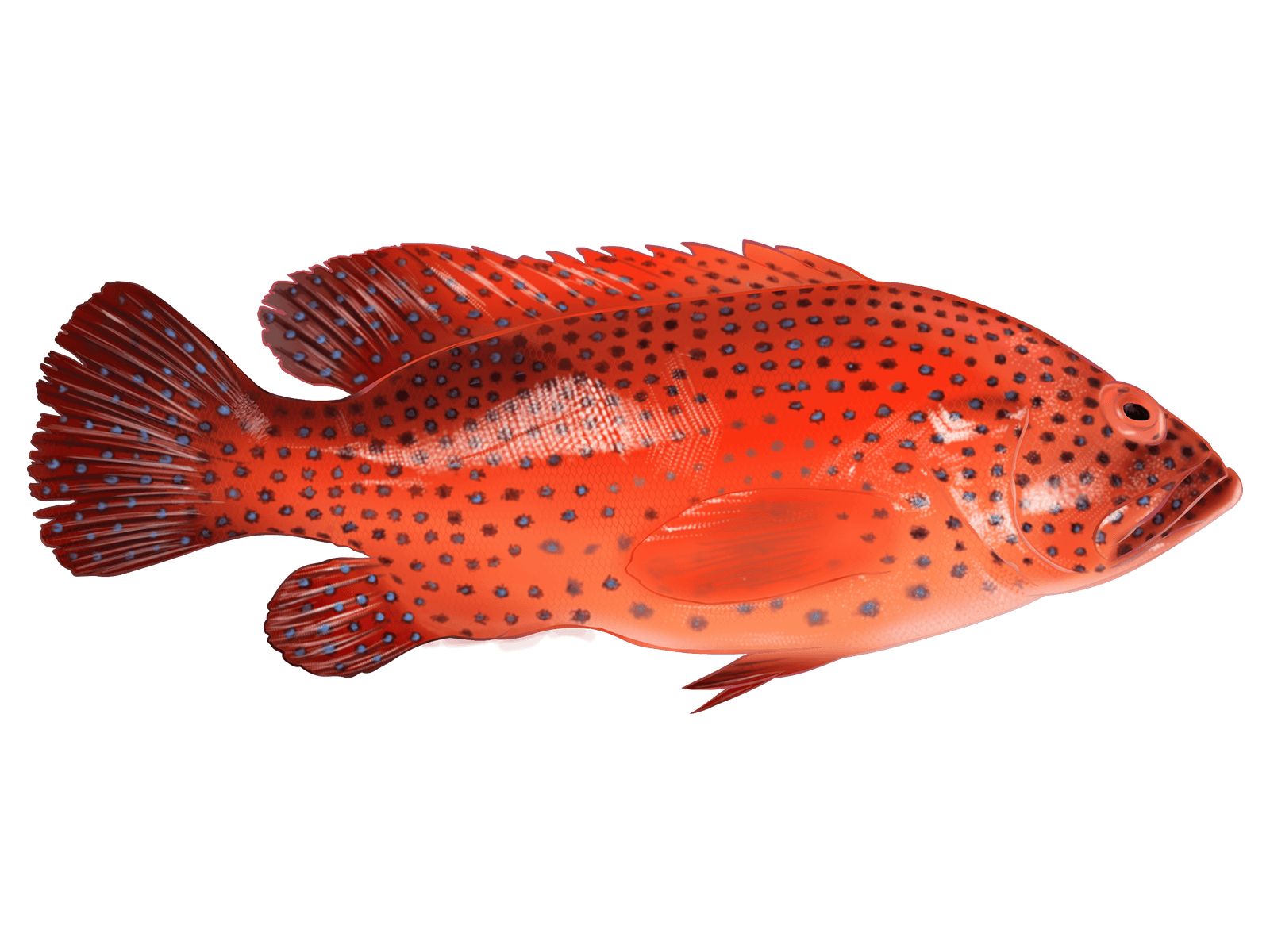
Red Snapper (Lutjanus campechanus) Overview
The Red Snapper, scientifically known as Lutjanus campechanus, belongs to the family Lutjanidae within the order Perciformes. This exceptional gamefish is one of the most sought-after species along the Atlantic coast and throughout the Gulf of Mexico, renowned for its brilliant red coloration, aggressive strike, and exceptional table quality. Red Snapper are true bottom dwellers that transform from pale pink juveniles into deep crimson adults, earning their reputation as trophy catches for both recreational anglers and commercial fisheries. Whether you're planning a fishing adventure in the Gulf of Mexico or exploring coastal waters, understanding this remarkable species will enhance your experience on the water.
Red Snapper Habitat and Distribution
Red Snapper thrive in the deep waters of the Atlantic coast and Gulf of Mexico, typically found at depths ranging from 30 to 620 feet. These fish prefer water temperatures between 50 and 70 degrees Fahrenheit, making them most active during moderate seasonal conditions. Juveniles inhabit shallower inshore areas with muddy bottoms, gradually migrating to deeper waters near structure as they mature. Adult Red Snapper are predominantly found near artificial and natural structures including reefs, wrecks, rocky outcroppings, and debris fields that provide shelter and concentrate forage fish. The Gulf of Mexico remains the primary hotspot for Red Snapper populations, with substantial populations extending down the eastern seaboard. Areas around Louisiana, Texas, and Florida's Gulf coast are particularly productive for encountering these fish.
Red Snapper Size and Weight
Red Snapper demonstrate impressive growth potential, with typical specimens caught by anglers ranging from 19 to 39 inches in length and weighing between 5 to 20 pounds on average. However, these fish can grow considerably larger under optimal conditions, with documented specimens exceeding 3 feet in length and weighing over 35 pounds. The world record Red Snapper weighed an astounding 50 pounds 4 ounces, a legendary catch landed off Louisiana waters in 1966. Most Red Snapper encountered in modern fisheries are between 4 to 6 years old, reflecting current population dynamics and regulatory management. These fish possess remarkable longevity, with lifespans exceeding 20 years, allowing mature individuals to reach exceptional sizes and weights.
Red Snapper Diet and Behavior
Red Snapper are carnivorous bottom feeders with a diverse diet consisting primarily of smaller fish and crustaceans. Their preferred prey includes cigar minnows, pinfish, pigfish, live squid, shrimp, and octopus, reflecting their opportunistic feeding strategy in deep-water environments. These aggressive hunters are most active during dawn and dusk periods, though they feed throughout daylight hours, particularly during slack tide periods when visibility and feeding conditions are optimal. Red Snapper exhibit strong territorial behavior, remaining in proximity to structure and cover where they ambush passing prey. Their reputation as fierce fighters stems from their powerful strikes and determined runs toward nearby cover—a characteristic that makes them exhilarating opponents for anglers. When hooked, Red Snapper will aggressively attempt to reach nearby structure, making rod strength and sharp hooks essential for successful encounters.
Red Snapper Spawning and Seasonal Activity
Red Snapper reach sexual maturity around 5 to 8 years of age, with larger, older females producing substantially greater numbers of eggs than their younger counterparts. A single 24-inch female can produce as many eggs as 212 seventeen-inch females, making size-selective reproduction a critical management consideration. The spawning season extends from May through October, with peak activity occurring during warmer months when water temperatures optimize reproductive success. Fertilized eggs drift to the surface and hatch within approximately one day, with larvae remaining in the planktonic water column before settling into shallow nursery habitats after about one month. As juvenile Red Snapper grow, they gradually migrate to deeper waters where they eventually establish residence near structure in the deep Gulf. This life history transition from shallow nurseries to deep offshore habitats reflects the species' adaptation to distinct environmental zones throughout their development.
Red Snapper Techniques for Observation and Capture
Bottom Fishing with Heavy Rigs: The most effective method for catching Red Snapper involves deploying heavy multi-hook rigs dressed with weights substantial enough to maintain bottom contact in deep water. Electric reels, manual reels, and handlines all prove effective when rigged properly. Bait your hooks with live pinfish, cigar minnows, fresh squid, or live shrimp, then lower your presentation to the bottom where Red Snapper congregate. The key to success lies in keeping your bait at or near bottom structure where these fish feed. Around the Gulf of Mexico's major fishing ports, charter captains utilize GPS and sonar to locate wreck structures and reef systems, deploying rigs precisely over productive bottom. Expect powerful strikes and immediate runs toward cover—maintain steady upward pressure to prevent your line from cutting on structure.
Fly Fishing for Surface-Active Fish: When Red Snapper move shallow or feed near the surface, fly fishing presents an exciting and productive alternative to traditional bottom techniques. Rig an 11 to 13-weight fly line with Clouser minnow or deceiver patterns that mimic local forage species. Some anglers employ chum slicks to concentrate Red Snapper before casting, then strip flies with erratic, natural-looking retrieve patterns. Present your fly to rising fish and work it back toward deeper water with consistent stripping action—Red Snapper will aggressively attack moving flies that resemble fleeing prey species. This technique works particularly well during early morning hours and slack tides when Red Snapper move into shallower water.
Targeting Structure and Seasonal Timing: Success with Red Snapper depends heavily on identifying productive structure and timing your fishing efforts around seasonal patterns. Focus on natural and artificial reefs, shipwrecks, rock formations, and other bottom features that hold concentrated populations. Spring and early summer, when water temperatures warm and spawning activity increases, represent prime fishing seasons. Target dawn and dusk periods when feeding intensity peaks, and plan your trips around slack tide periods when Red Snapper feed most aggressively.
Red Snapper Culinary and Nutritional Value
Red Snapper ranks among the most prized culinary fish, commanding premium prices in seafood markets and restaurants throughout the nation. The flesh features a mild, slightly nutty flavor profile with firm texture that holds up exceptionally well to various cooking methods. Whether baked, pan-fried, grilled, or steamed, Red Snapper delivers outstanding eating experiences that have made it an enduring favorite among seafood enthusiasts. To fully appreciate the delicate natural flavors, many chefs recommend minimal seasoning—simple preparations featuring salt, pepper, and fresh lemon juice allow the fish's inherent qualities to shine. Beyond culinary appeal, Red Snapper offers impressive nutritional benefits, serving as an excellent source of omega-3 fatty acids essential for cardiovascular and cognitive health. The fish is naturally low in calories, high in complete protein, and contains minimal saturated fat, making it an ideal choice for health-conscious diners. Red Snapper provides abundant B12 and vitamin D, along with important minerals including iron and potassium. Regular consumption supports heart health, enhances brain function, boosts immune response, and promotes healthy skin and hair development.
Red Snapper Frequently Asked Questions
Q: What is the best bait for catching Red Snapper?
A: Live pinfish and cigar minnows consistently outperform other bait options, particularly for larger specimens. Fresh squid, live shrimp, pigfish, and octopus also produce excellent results. The key lies in presenting fresh, lively bait on heavy rigs that reach bottom structure where Red Snapper feed. Experiment with combinations to determine what works best in your specific fishing location.
Q: Where can I find Red Snapper fishing opportunities in the Gulf of Mexico?
A: Major fishing ports throughout Louisiana, Texas, and Florida's Gulf coast provide excellent access to Red Snapper populations. Charter services in these areas operate specialized trips targeting deep-water structure. Public fishing piers in coastal communities occasionally offer opportunities during peak seasons, though private boat access typically provides superior fishing success.
Q: Is Red Snapper good to eat?
A: Absolutely—Red Snapper is exceptional table fare featuring mild, slightly nutty flavor and firm white flesh. The fish is highly nutritious, rich in omega-3 fatty acids, and works beautifully with various cooking methods. Most culinary experts recommend simple preparations that highlight natural flavors rather than heavy seasoning.
Q: When is the best time to catch Red Snapper?
A: The spawning season from May through October represents peak activity periods, with summer months typically offering the most consistent fishing. Within each day, dawn and dusk periods produce the most aggressive feeding activity. Slack tides create optimal feeding conditions regardless of season.
Q: How deep do I need to fish for Red Snapper?
A: Red Snapper inhabit depths ranging from 30 to 620 feet, though most productive fishing occurs between 60 and 300 feet. Always check current regulations and use GPS/sonar to identify structure at appropriate depths for your specific fishing area.
Q: What equipment do I need for Red Snapper fishing?
A: Heavy-duty conventional or electric reels paired with sturdy rods rated for deep-water applications work best. Bring quality multi-hook rigs with substantial weights, sharp hooks in appropriate sizes, and durable line rated for the depths and structure you'll encounter. Experienced anglers recommend having backup tackle and extra rigs to maximize fishing time.